
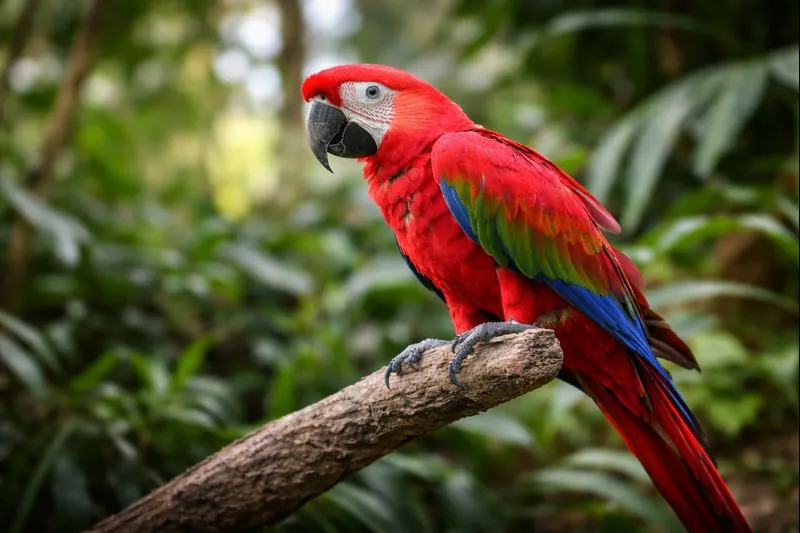
Parrots are intelligent, alert, and emotionally sensitive birds, but they are also very good at hiding illness. A parrot may look active and healthy while quietly carrying an infection. One such disease is ornithosis, also known as parrot fever or avian chlamydiosis.
Although not very common, ornithosis is a serious condition. It affects a parrot’s breathing, energy level, and overall health, and it can also spread to humans. With early awareness, proper care, and good hygiene, this disease can be controlled and prevented.
Ornithosis is a bacterial infection caused by Chlamydia psittaci. It mainly affects the respiratory system, but in more advanced cases, it can also involve the liver and digestive tract.
Some parrots are silent carriers. They carry the bacteria without showing visible symptoms. Stress, weak immunity, sudden environmental changes, overcrowding, or poor nutrition can trigger the disease in these birds.
The bacteria spread through droppings, nasal discharge, feather dust, and contaminated cages, food bowls, or perches. Because parrots live closely with humans, this disease requires careful attention.
Ornithosis usually starts with mild and subtle symptoms that are easy to miss.
Common early signs include reduced appetite, low energy, fluffed feathers, changes in breathing, weight loss, and watery or discolored droppings.
Daily observation makes a big difference. When owners understand what parrots eat and follow a stable feeding routine, they can notice small changes more easily. Feeding the best food regularly supports immunity and helps keep the bird stable and strong.
Yes. Ornithosis is a zoonotic disease, meaning it can spread from birds to humans. Infection usually happens when dried droppings or feather dust are inhaled.
In humans, symptoms may include fever, headache, muscle pain, chills, dry cough, and in severe cases, pneumonia. People with weak immune systems should be especially cautious.
If a parrot is diagnosed with ornithosis, limiting close contact and following hygiene measures is important for household safety.
Only a qualified avian veterinarian can confirm ornithosis. Because symptoms can look similar to other bird illnesses, laboratory testing is necessary.
Diagnosis may involve blood tests, PCR testing, or swabs from droppings or respiratory secretions. Once confirmed, treatment usually requires a long course of antibiotics under veterinary supervision.
Medication must be given exactly as prescribed. Stopping treatment early, even if the bird looks better, can cause relapse and further complications.
Most cases of ornithosis are linked to stress, weak immunity, or poor hygiene. Prevention focuses on improving overall health and living conditions.
Important preventive steps include regular avian vet checkups, quarantining new birds for at least 30 days, daily cleaning of cages and bowls, reducing stress, and providing proper nutrition.
Nutrition plays a major role in immunity. Birds that are overweight or poorly fed are more vulnerable to infections. Maintaining the overall health of birds is essential for disease prevention and long-term wellness.
Along with a balanced diet, multivitamins for parrots can help support immune function, especially during stressful periods or recovery.
If your parrot is being treated for ornithosis, the home environment matters.
Keep the bird in a warm, quiet, and well-ventilated space. Avoid cold drafts, loud noise, and sudden changes. Monitor appetite, droppings, and energy daily. Isolate the bird from other birds until the veterinarian confirms recovery, and maintain strict hygiene when handling cages and bowls.
Recovery takes time, and patience is important. Rushing interaction or stopping isolation early can cause relapse or spread.
Parrots communicate discomfort through behavior. Small changes in posture, activity, or eating habits often appear before serious symptoms.
Ornithosis shows that even birds that look healthy can carry serious infections. Early action protects not only your parrot but also other birds and people in your home.
Ornithosis is a bacterial disease caused by Chlamydia psittaci that mainly affects a parrot’s respiratory system and can become serious if untreated.
Common signs include sneezing, breathing difficulty, diarrhea, loss of appetite, lethargy, and constantly puffed feathers. Early symptoms are often subtle.
Yes. Ornithosis is zoonotic and can infect humans, usually causing flu-like symptoms after contact with infected birds.
Veterinarians treat Ornithosis with antibiotics, usually doxycycline, and the full course must be completed.
Maintain good hygiene, provide a balanced diet, reduce stress, quarantine new birds, and schedule regular vet checkups.
Yes. Some parrots carry the bacteria without showing symptoms and may spread it when stressed.
It spreads through inhaling dried droppings, feather dust, nasal discharge, or contact with contaminated cages and bowls.
Treatment usually lasts several weeks and must be completed fully to prevent relapse.
Yes. Untreated Ornithosis can cause severe respiratory illness, organ damage, or death.
Yes. Infected parrots should be isolated until a veterinarian confirms recovery.